The foreign exchange market represents one of the world’s largest financial arenas, where currencies dance in perpetual motion across global markets. Each day, trillions of dollars change hands as traders seek opportunities in currency fluctuations. Yet behind every successful forex trader lies a foundation of knowledge, discipline, and strategic thinking that separates profitable trading from costly mistakes.
Understanding what drives successful traders can transform your approach to currency markets. These individuals don’t rely on luck or gut feelings—they follow proven principles that guide their decisions through both volatile and stable market conditions.
Master the Fundamentals First
Successful traders begin their journey by understanding how currency pairs work. Major pairs like EUR/USD, GBP/USD, and USD/JPY form the backbone of most trading strategies. These pairs offer liquidity and tighter spreads, making them ideal for both beginners and experienced traders.
Economic indicators play a crucial role in currency movements. Interest rates, inflation data, employment figures, and GDP growth all influence how currencies perform against each other. Smart traders keep economic calendars handy and understand how these releases might impact their positions.
Technical analysis provides another essential tool. Chart patterns, support and resistance levels, and momentum indicators help traders identify potential entry and exit points. Moving averages, RSI, and MACD remain popular choices among seasoned professionals.
Develop a Strategic Mindset
Risk management separates profitable traders from those who lose their capital quickly. Successful traders never risk more than they can afford to lose on any single trade. They use stop-loss orders to limit potential losses and position sizing to ensure no single trade can devastate their account.
Emotional discipline proves equally important. Fear and greed can cloud judgment and lead to impulsive decisions. Successful traders stick to their trading plans regardless of short-term market emotions. They understand that losses are part of trading and don’t let them derail their overall strategy.
Choose the Right Trading Approach
Different trading styles suit different personalities and schedules. Day trading involves opening and closing positions within the same trading day, requiring constant market monitoring. Swing trading holds positions for several days or weeks, capturing larger price movements. Position trading takes an even longer view, sometimes holding currencies for months.
Each approach requires specific skills and time commitments. Day traders need quick decision-making abilities and stress tolerance. Swing traders must balance patience with market awareness. Position traders focus on long-term economic trends and fundamental analysis.
Leverage Technology and Tools
Modern forex trading relies heavily on technology. Advanced trading platforms offer real-time charts, economic calendars, and analytical tools that were once available only to institutional traders. Mobile trading apps allow traders to monitor positions and execute trades from anywhere.
Automated trading systems can help implement strategies consistently without emotional interference. However, successful traders understand these tools are aids, not replacements for market knowledge and strategic thinking.
Build Your Trading Foundation
Education never stops in forex trading. Markets evolve, new economic conditions emerge, and trading strategies must adapt accordingly. Successful traders continuously learn through books, webinars, market analysis, and networking with other traders.
Practice accounts provide valuable training grounds for testing strategies without risking real money. Many successful traders spent months or even years honing their skills on demo accounts before transitioning to live trading.
Your Path to Trading Success
Success in forex trading doesn’t happen overnight. It requires dedication, continuous learning, and the patience to develop your skills over time. Start with solid education, practice with demo accounts, and gradually build your experience with smaller positions.
Step Into Forex: Discover the Secrets of Successful Traders
Categories:
Related Post
E-Coding School: Crafting the Future of Web DevelopmentE-Coding School: Crafting the Future of Web Development
With all the rise of technological innovation along with its actually-growing influence on our daily lives, the demand for programmers has never been greater. Programming skills are actually a priceless
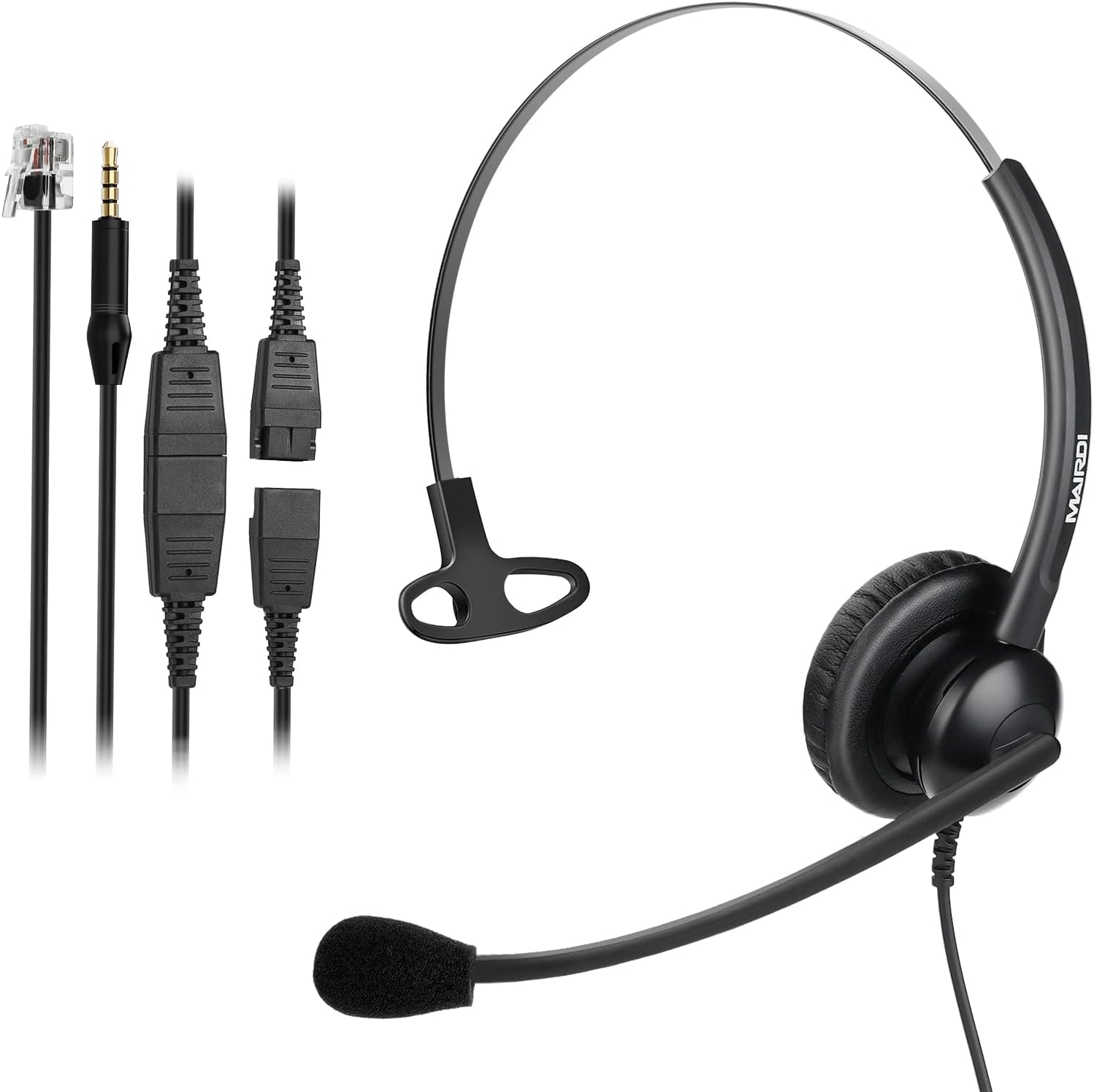
Wantek Headsets Perfect for Work From HomeWantek Headsets Perfect for Work From Home
Out of the way function has generally changed how we talk professionally. Together with movie message or calls swapping convention bedrooms and wantek headset household places of work starting to

6 Outstanding Benefits associated with Fladrafinil Powder6 Outstanding Benefits associated with Fladrafinil Powder
If you wish to buy fladrafinil powder to enhance your cognition, safe-keeping, and focus, consider utilising Fladrafinil powder. This efficient nootropic has many pros that will help you accomplish aims.